Wu Ching-ju
Chinese, b. 1961
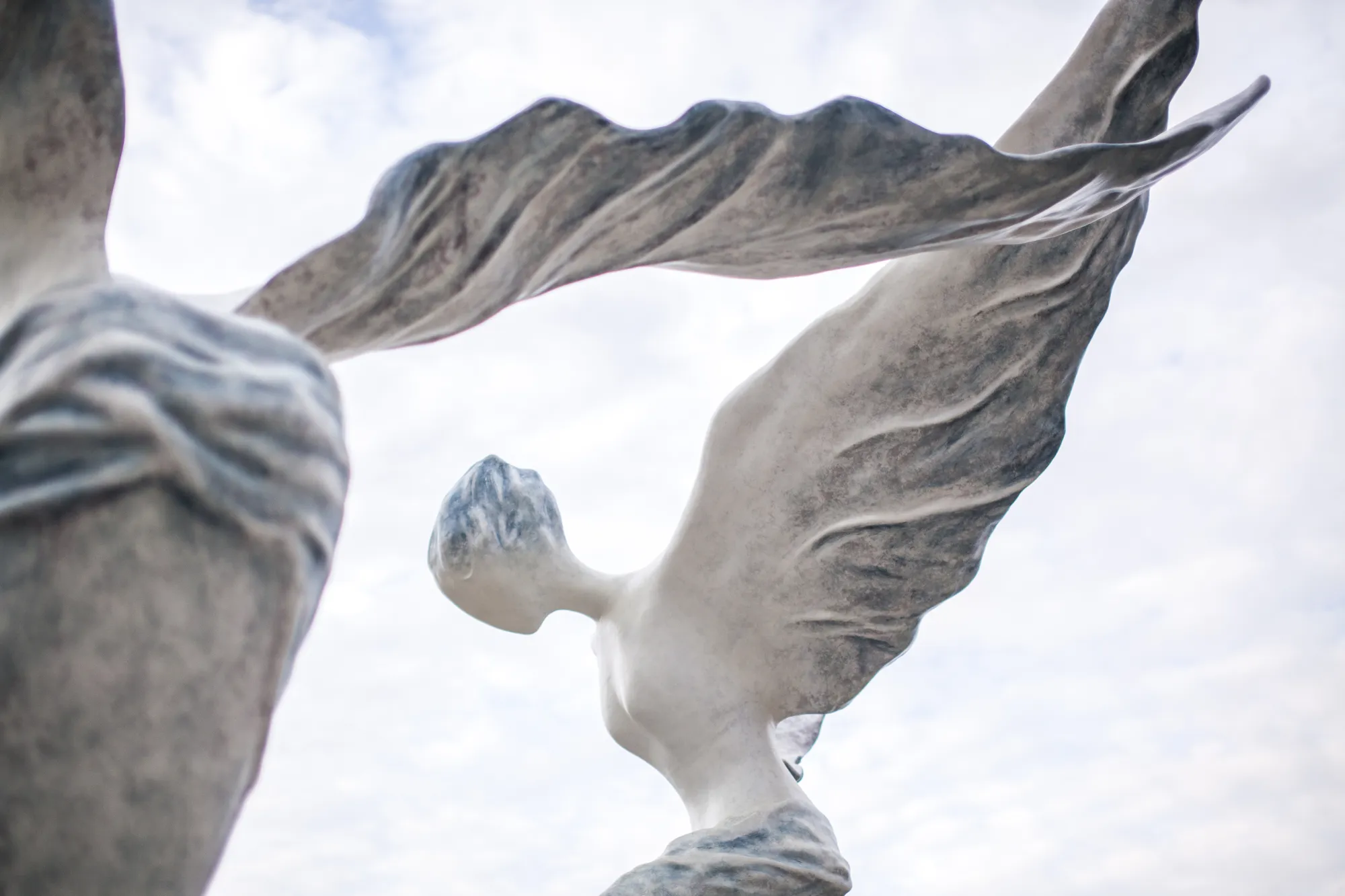
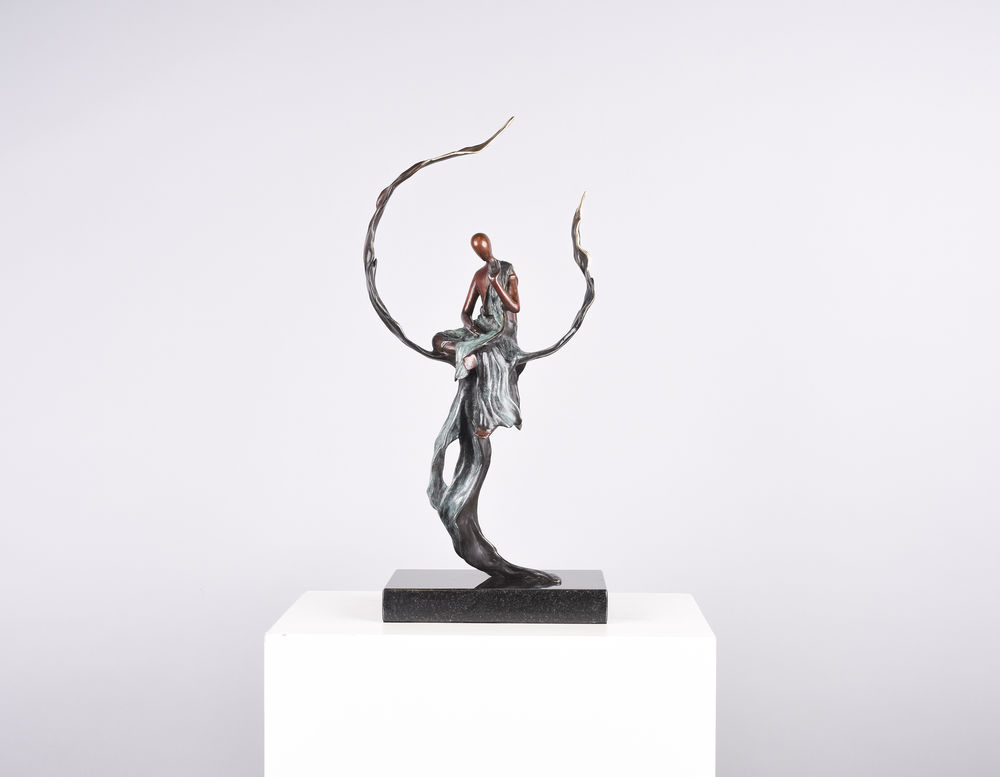
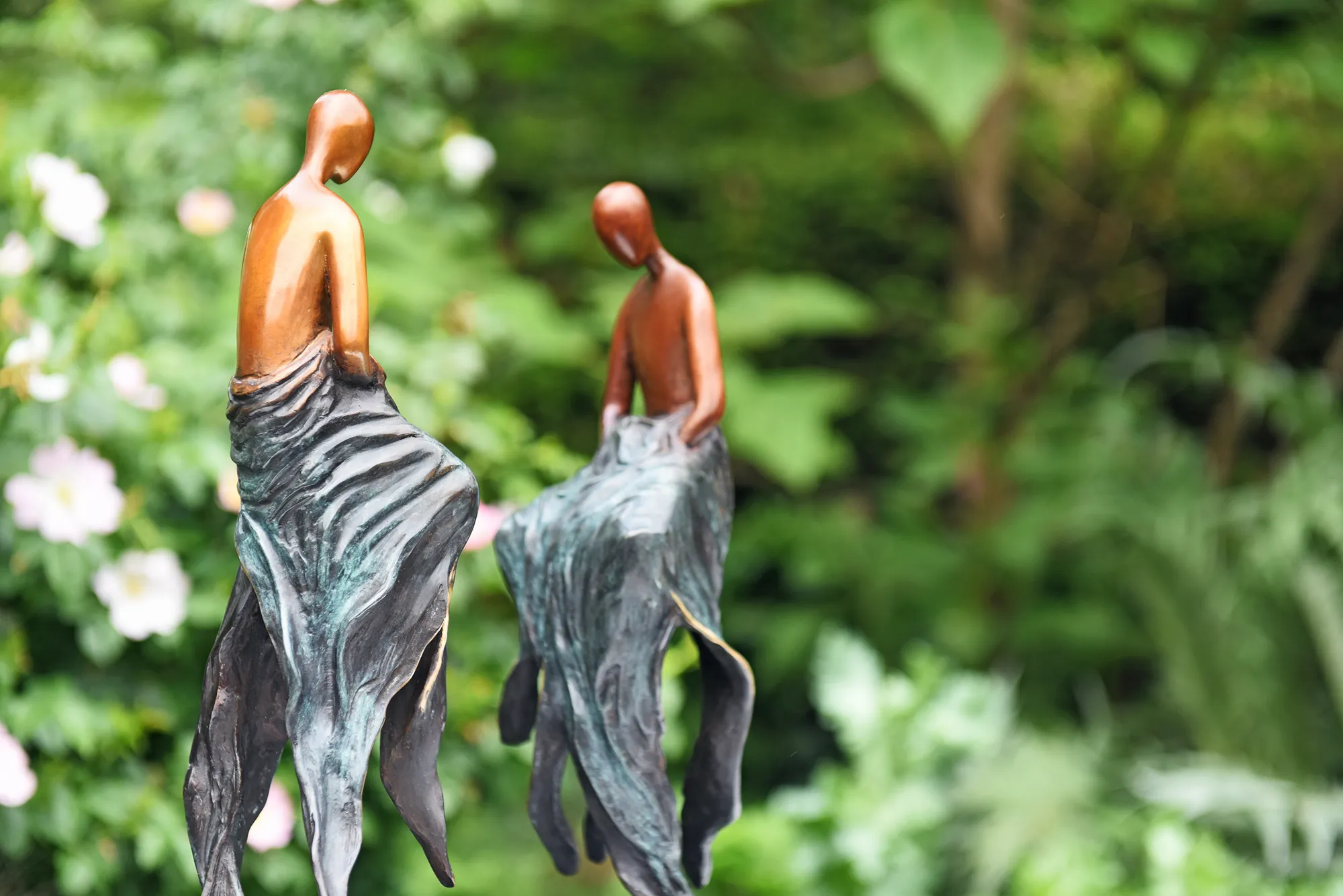
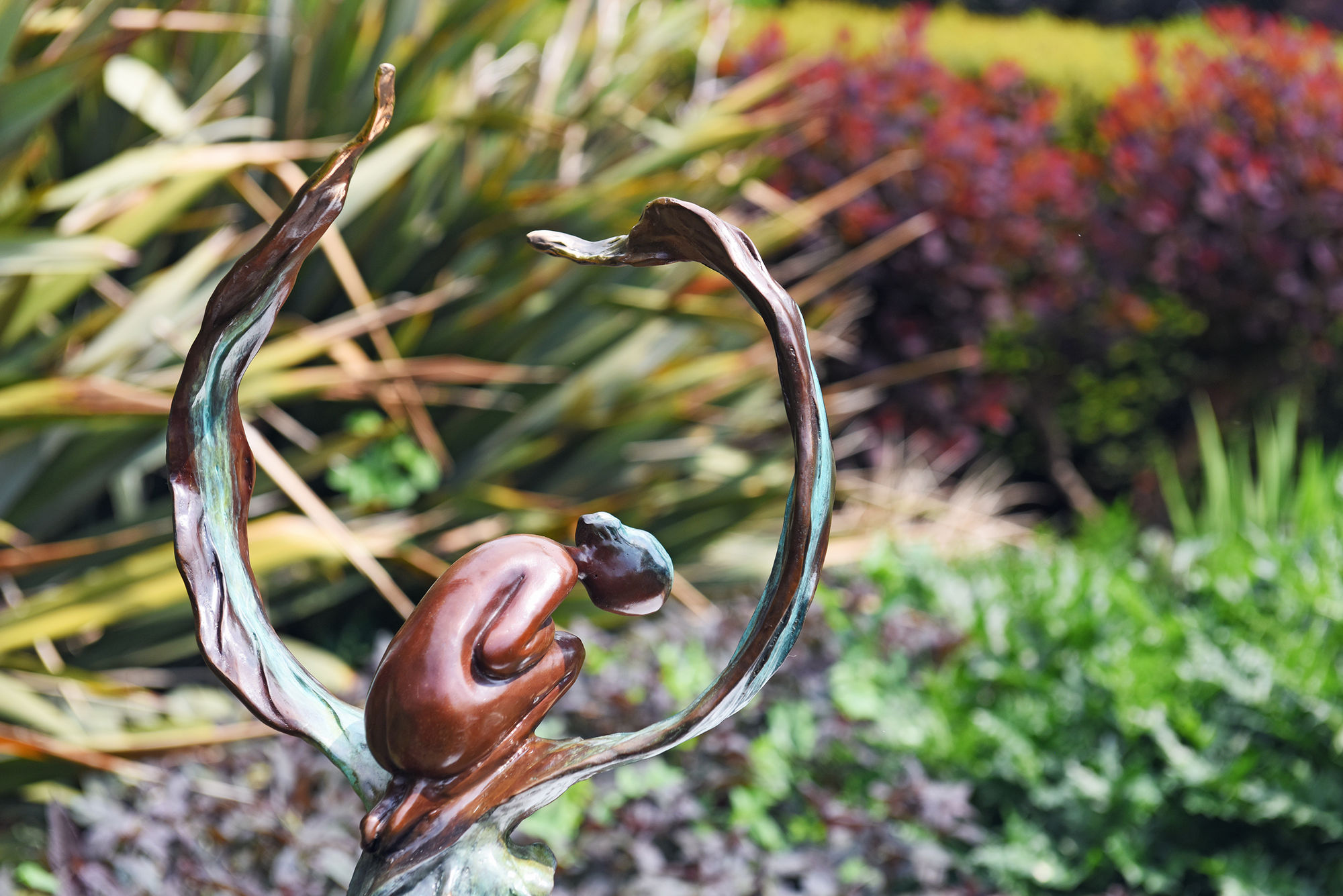
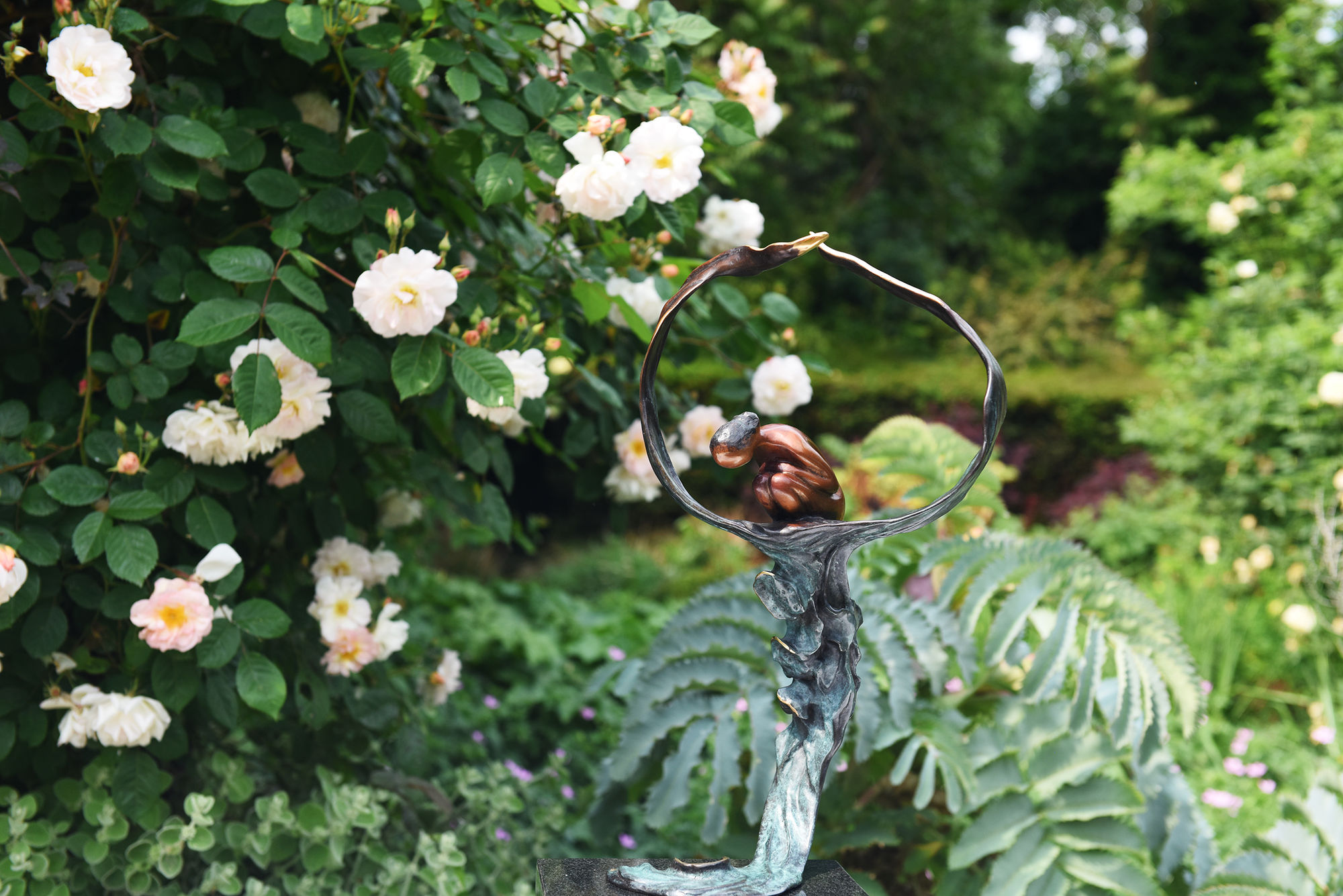
Sculptor Wu Ching-ju merges Chinese and Western culture to create powerful yet intrinsically delicate works. ‘She combines the rigidness and coldness of bronze with the gentleness and beauty of human nature in a perfect way’, comments Hua Liming. ‘The sculptures of Wu Ching-ju are another valuable exploration of the idea “to make the past serve the present and let western things serve China”.’[1]
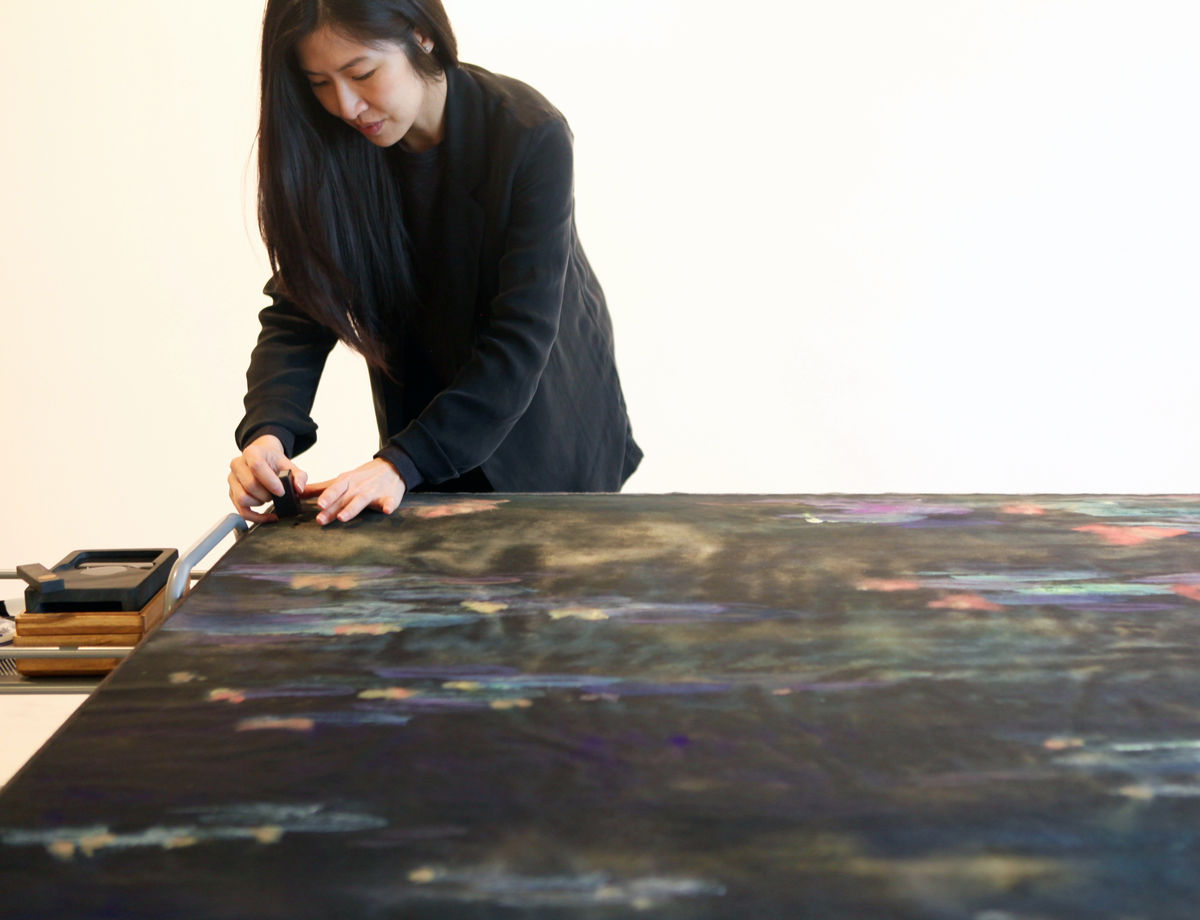
Born in 1961 in the urban township of Fonglin, in the Huatung Valley of eastern Taiwan, Wu learned at an early age of the ancient traditions of China. After secondary education she studied oriental humanities and became particularly interested in the art of flower arranging, with its emphasis on simplicity, elegance and harmony.
Moving with her husband to the United States of America in the early 1980s, Wu found her Chinese cultural roots increasingly important, and an aged Chinese artist she met there encouraged her to start drawing and painting. On her return to Taiwan she became well known for her flower arrangements. From modelling the natural living materials of flowers it was not a great leap to sculpting figurative forms. In 1993 she went to the Netherlands, where she studied Western techniques of painting, sculpting and bronze casting. Her first exhibition in the West sold out and in 1996 she became a full-time sculptor. She now lives with her husband and two children on an old farm near Maastricht, in the Netherlands, for half of the time, travelling to China to maintain cultural contact, study and garner inspiration for the remainder of the year.
Wu has held over 40 exhibitions in Europe and Asia. Her sculptures sensuously abstract the Western figurative dimension from the traditional form, while reaching new levels of expression. ‘Emotions play an important part in my work’, she says. ‘Serenity, modesty, sadness, tranquillity and joy feature prominently.’ Her subjects reflect her passion for Chinese history, legend and religion, ranging from the austere monk and his followers to powerful members of the imperial household. Quintessentially Eastern in her approach, she explains, ‘I become entirely engrossed in my subject ... I shut out the outside world which, in oriental philosophy, is extremely important. Only when you can completely concentrate are you at peace with yourself.’
There are several significant collections of Wu’s work across the world, including those established in the United Kingdom, continental Europe, the Middle East and China. Eight monumental and lifesize works of hers are on permanent display in museums in China.
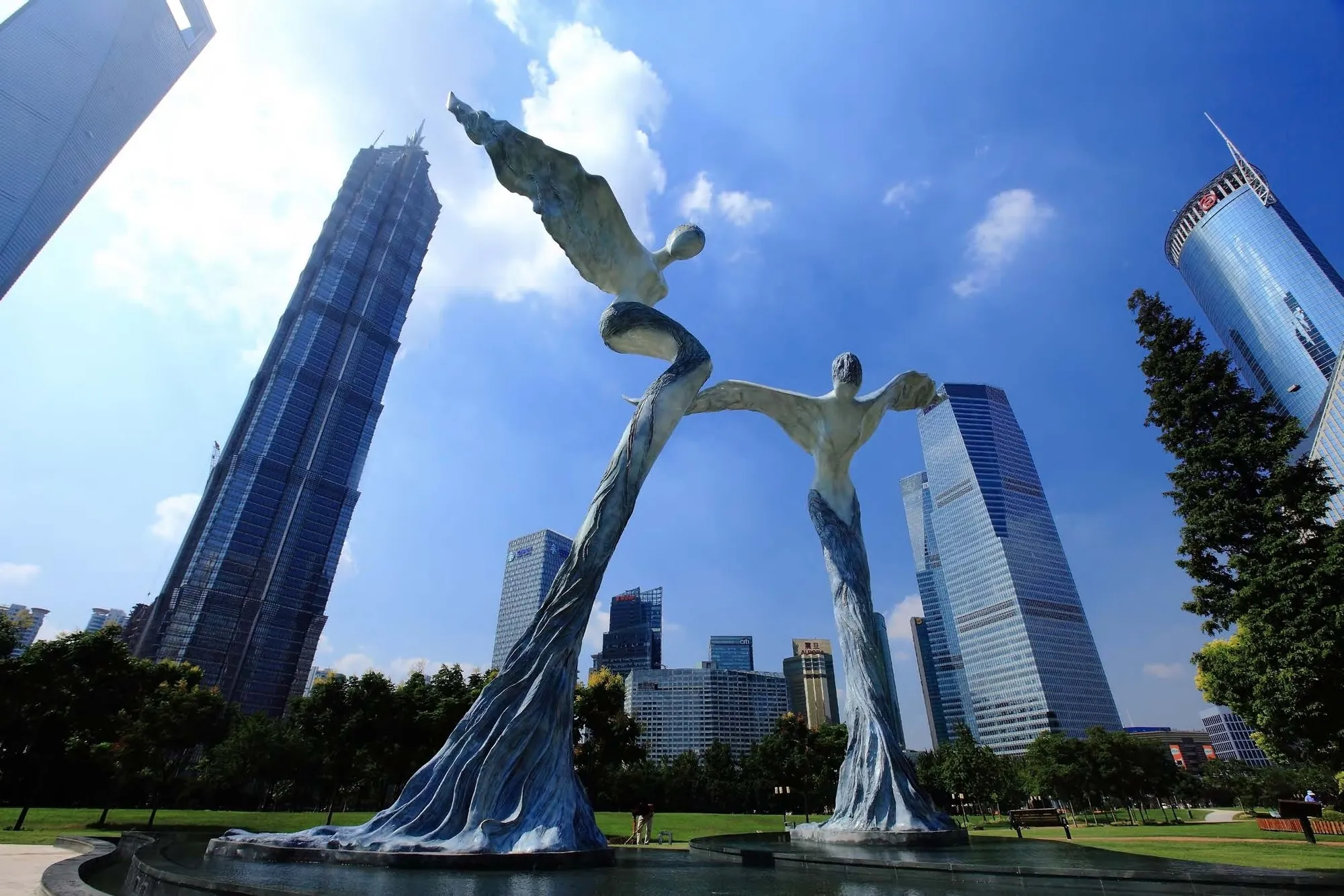
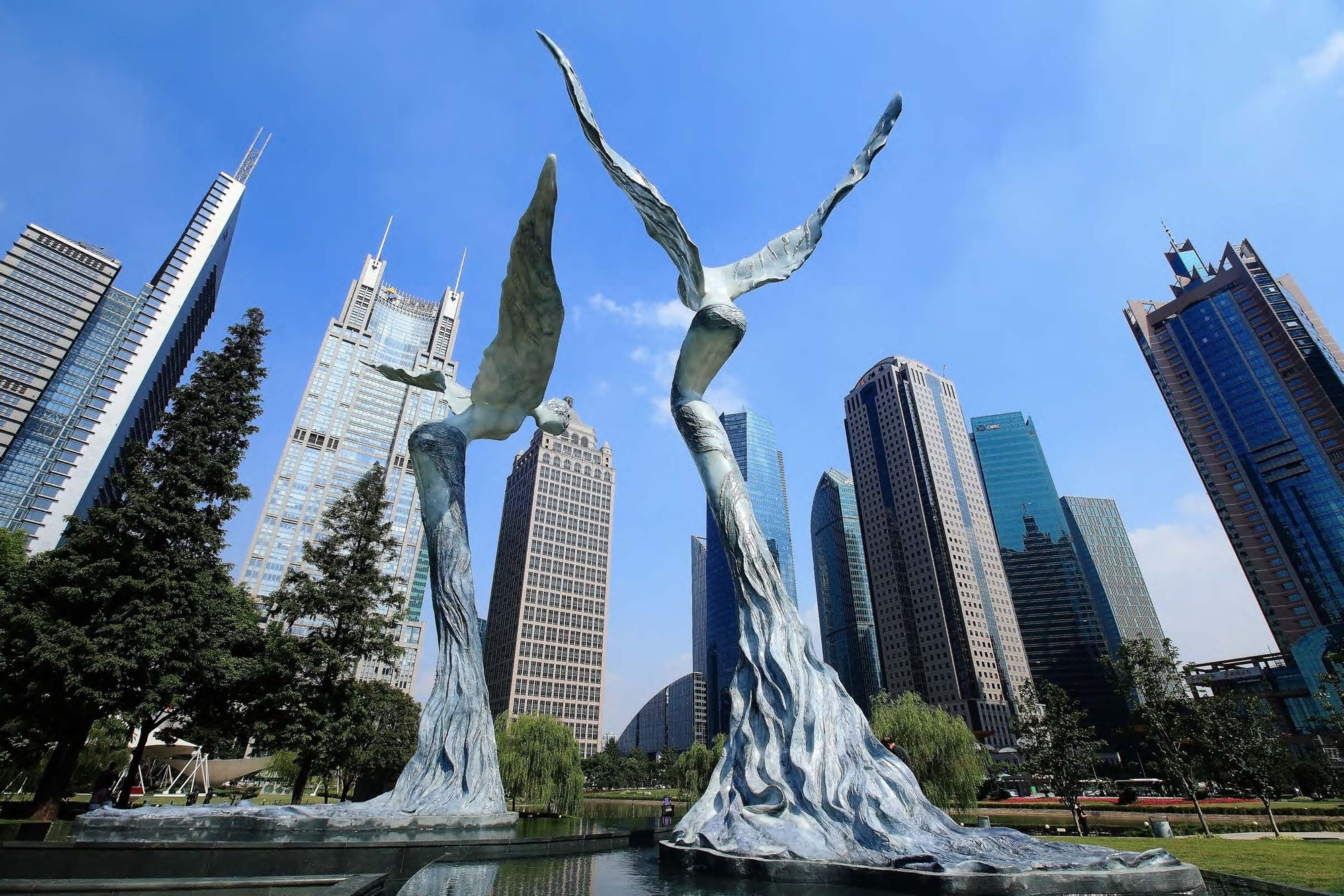
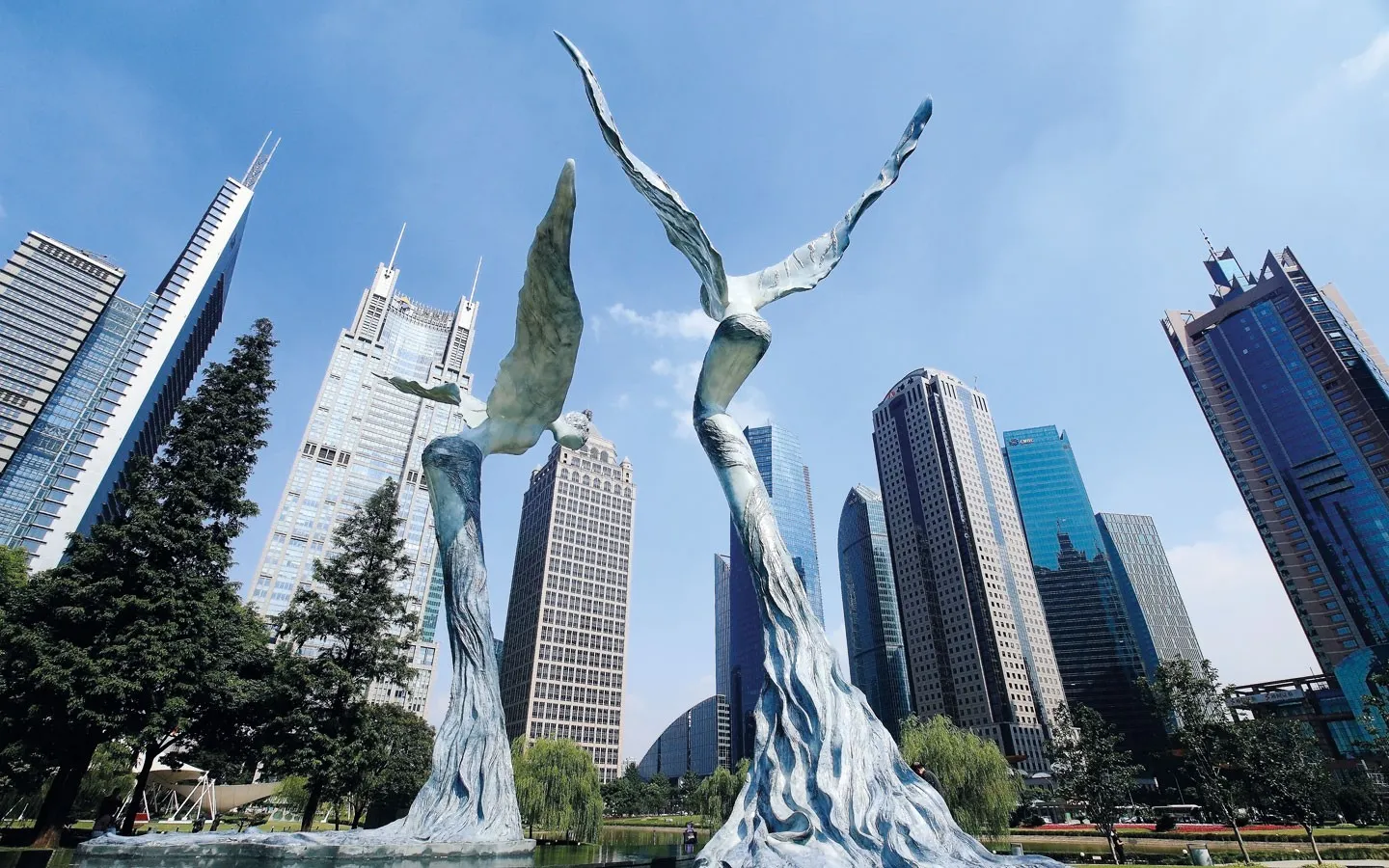
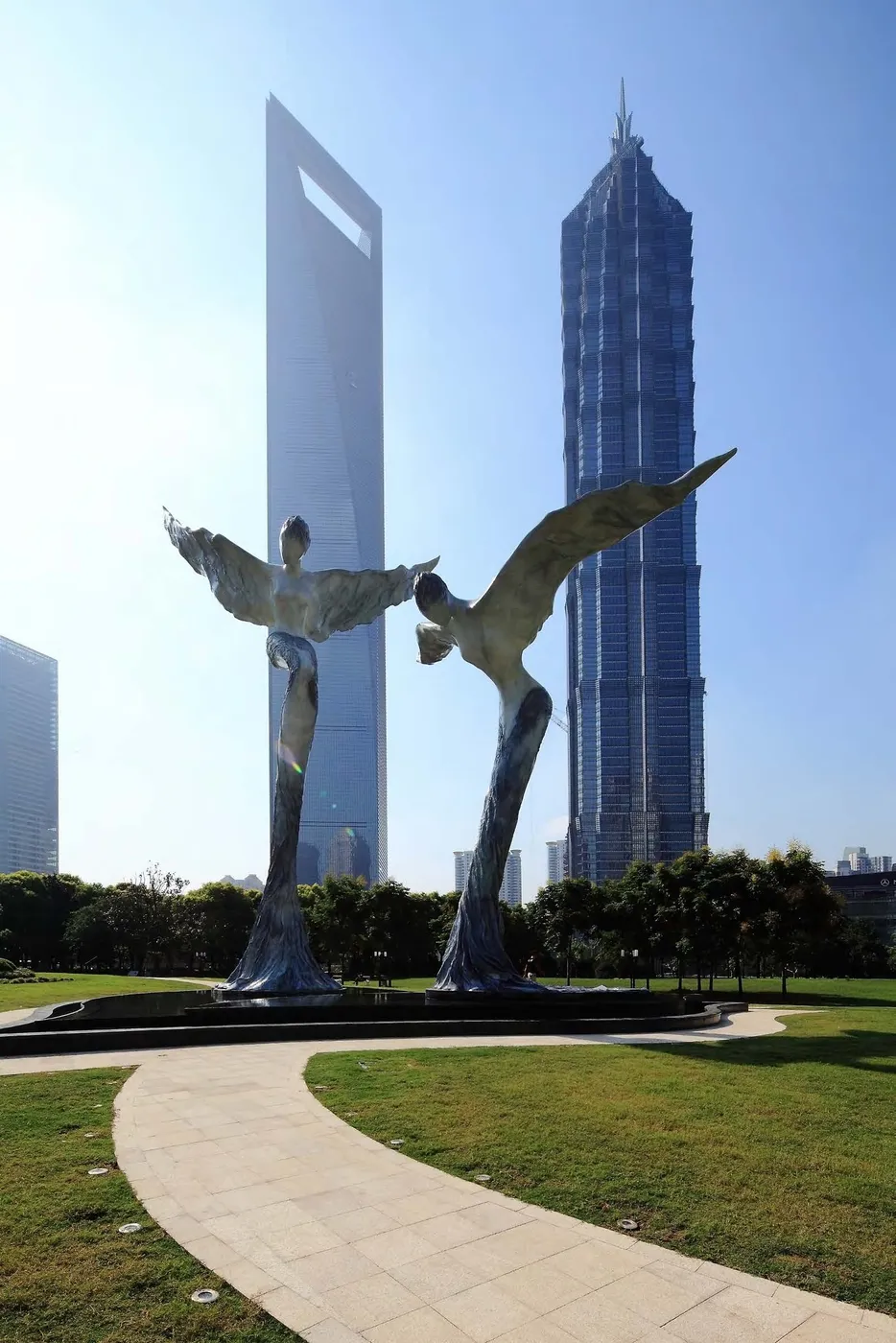
In 2006 Wu was commissioned to create A Thousand Emotions, a bronze of a reclining woman with a small child in the crook of her elbow, which is sold worldwide as a limited edition for the benefit of UNICEF. Fountain of Blessings (2008), with three mythological figures, was commissioned to be the centrepiece sculpture of Xintiandi in Shanghai and is possibly the most photographed contemporary sculpture in China. In April 2009, Wu’s elegant and energetic Rites of Spring figure group was singled out to be featured at the entrance to the annual Art Shanghai exhibition, and on 31 December 2009 her Miracle of Life statue was unveiled on International Channel Shanghai television.
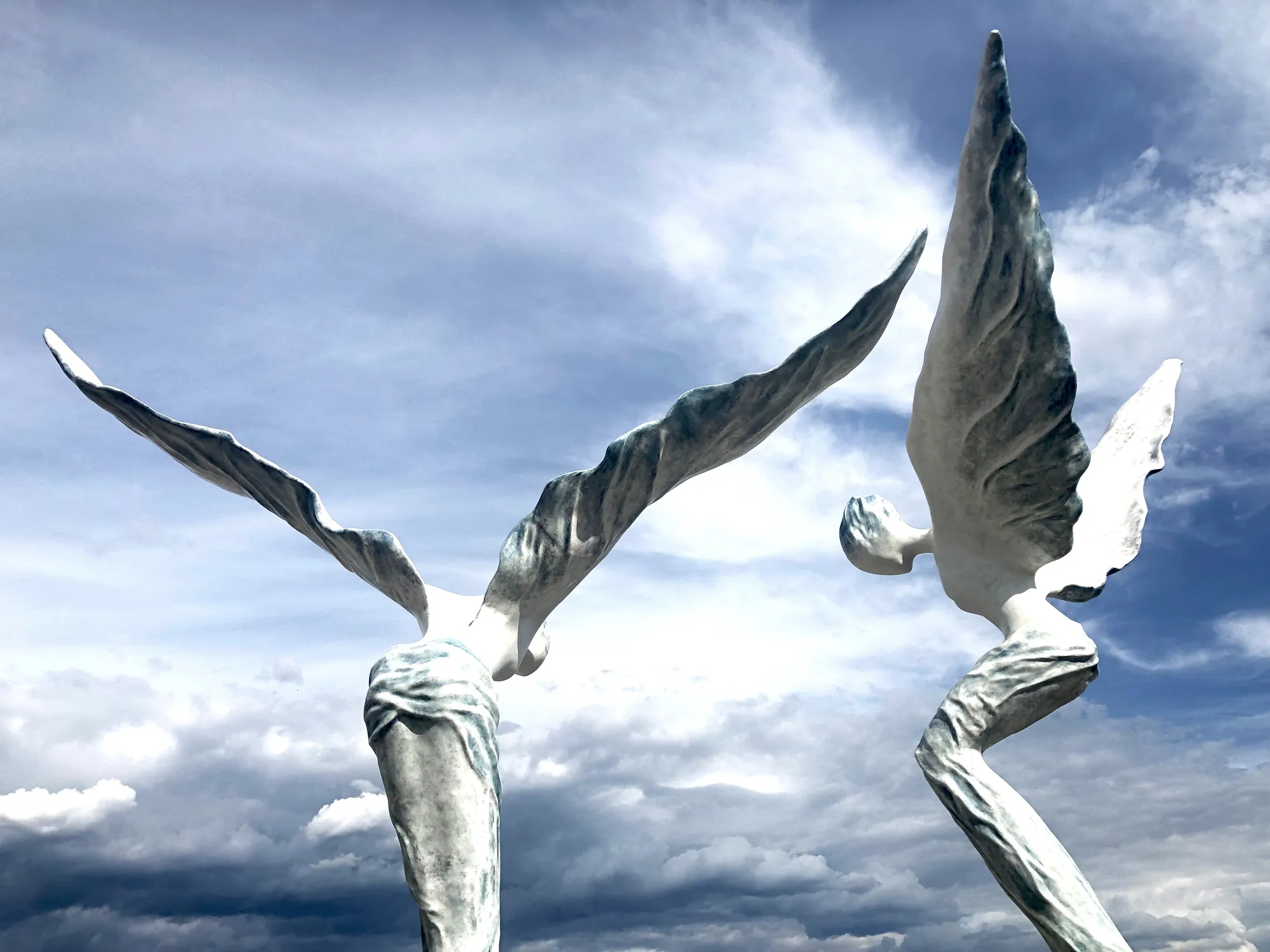
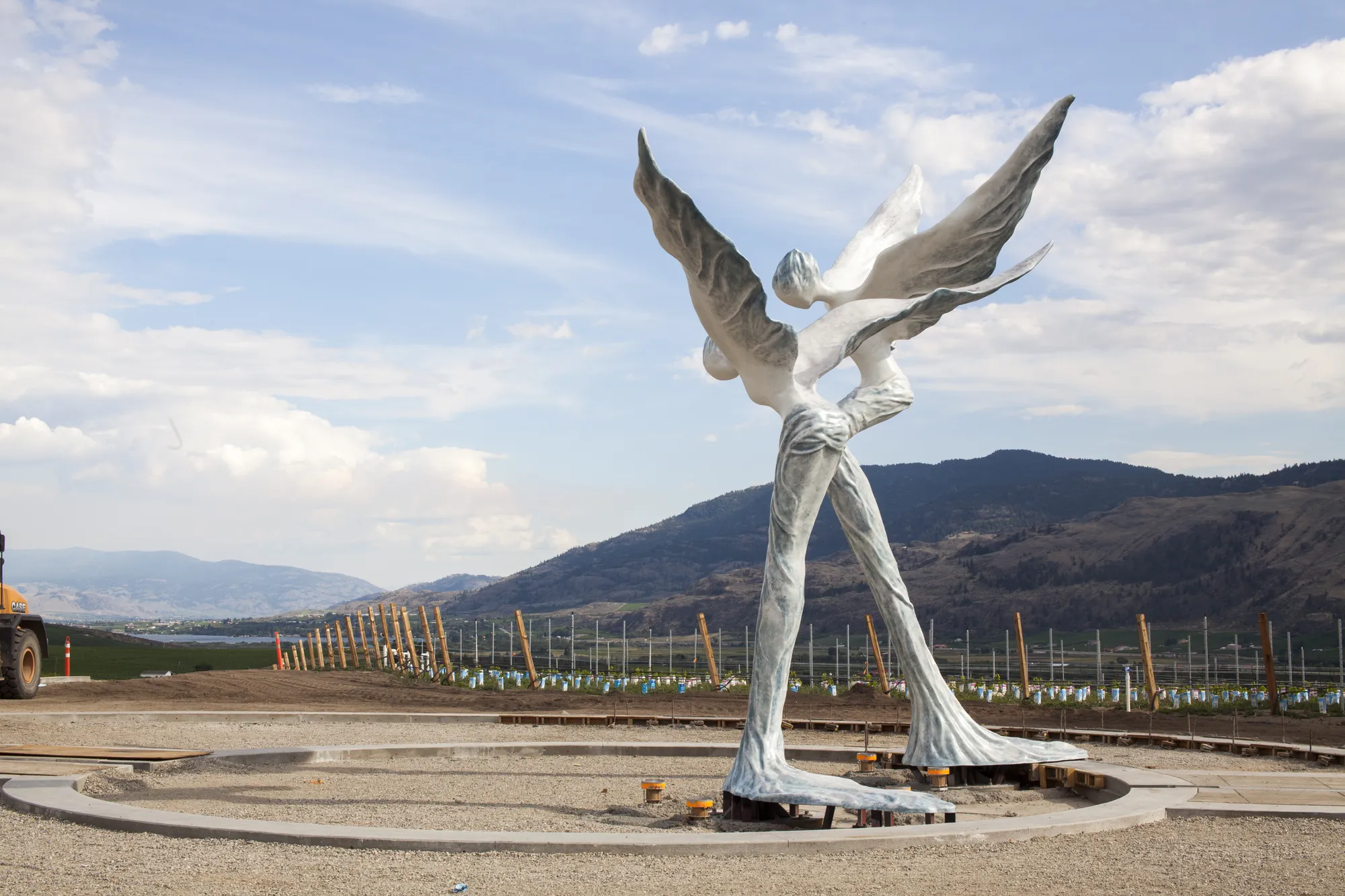
Wu’s major exhibition Soul of Dance, epitomising her signature style of lithe bodies, rhythmically flowing fabrics and smooth, featureless faces, was hosted during 2009 and 2010 in Shanghai, Beijing and London.
[1] Hua Liming is a former Ambassador Extraordinary and Plenipotentiary of the People’s Republic of China to the Kingdom of the Netherlands.