Andy Warhol’s illustrated books from the 1950s offer a glimpse into the formative years of one of the art world’s most celebrated names in the years before he became The King of Pop Art.
If you are interested in adding to your collection, speak to one of our art consultants now - email us at info@halcyongallery.com
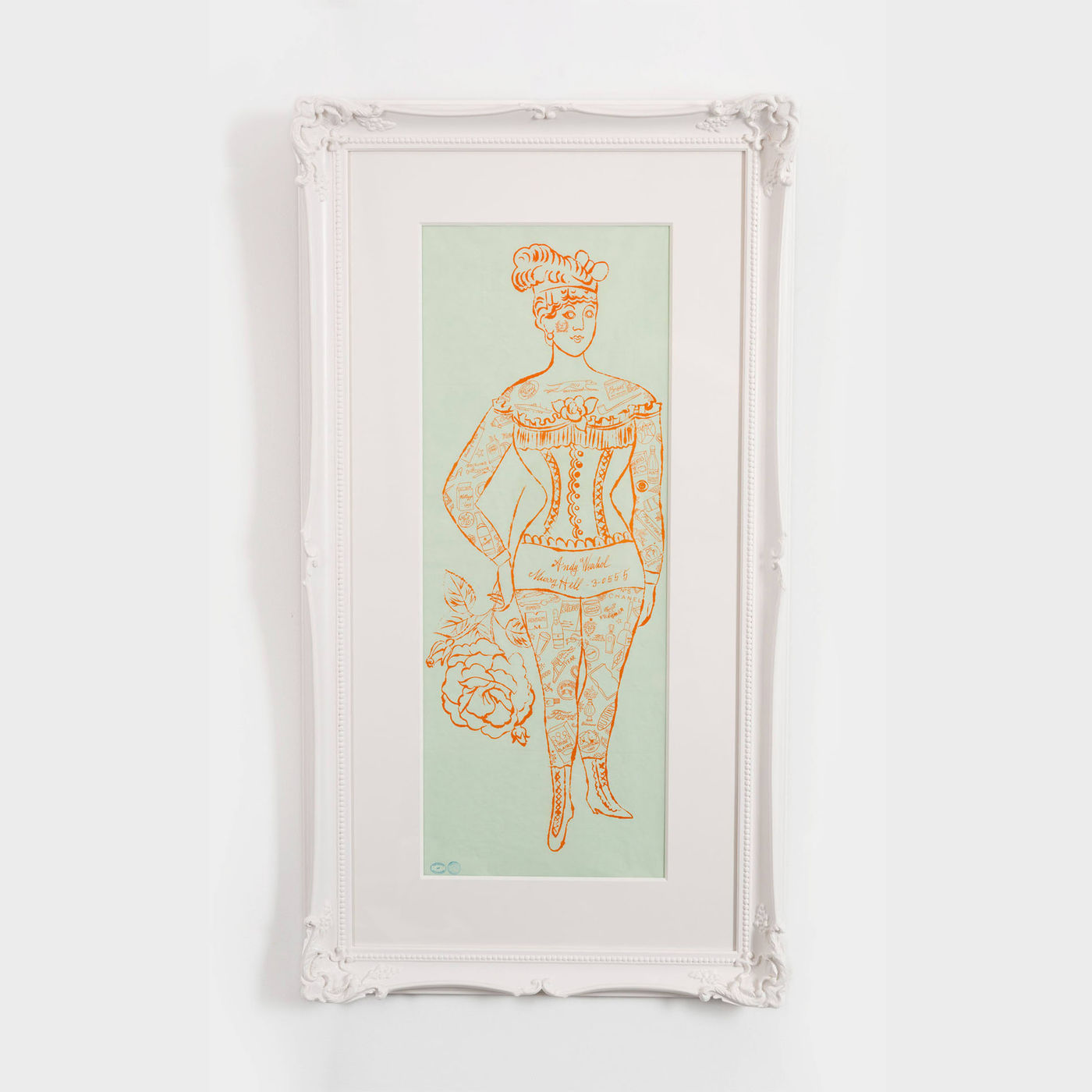
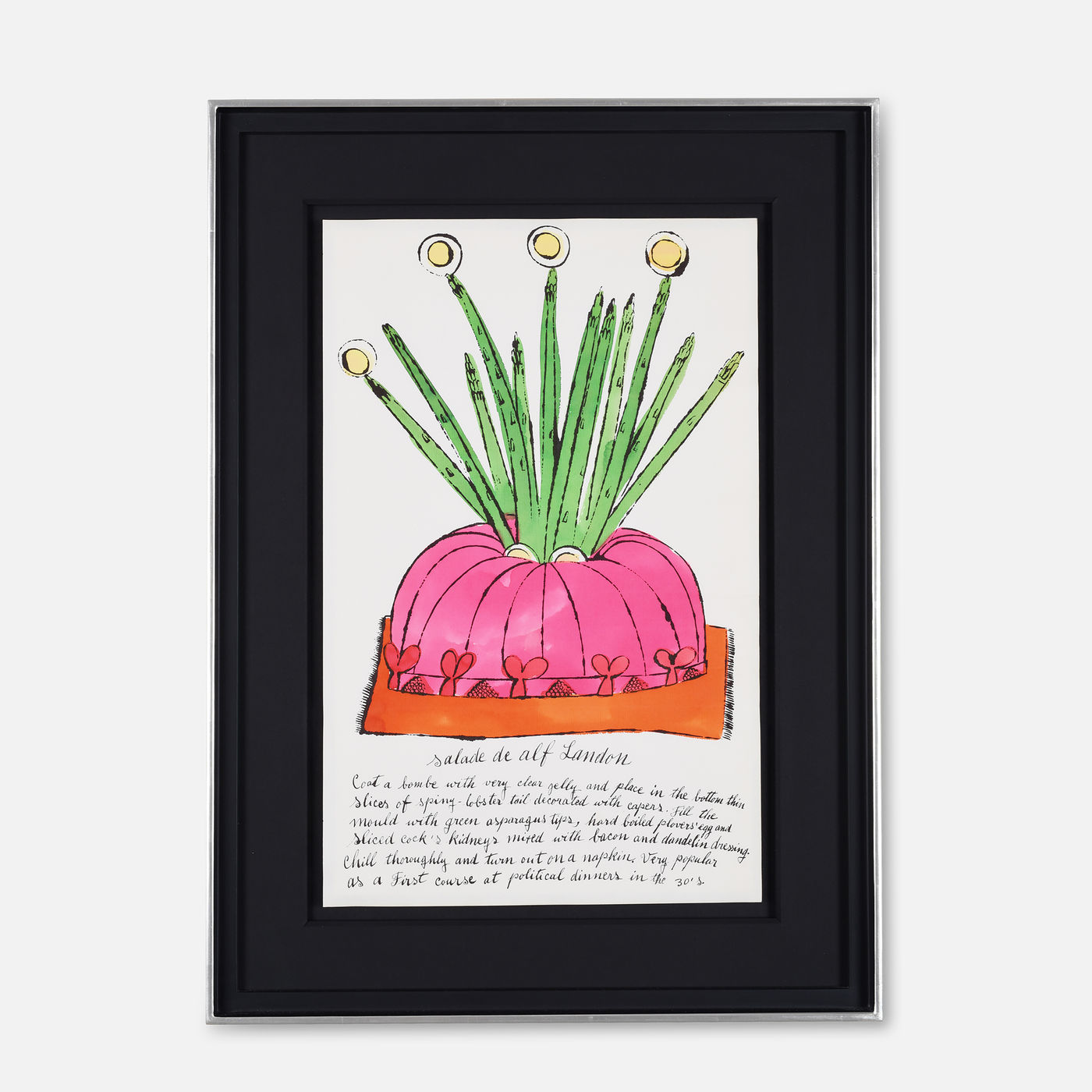
He produced several collectable books between 1953 and 1960, with subjects drawn from photographic sources, popular culture, and a cast of imaginary characters in books such as Love is a Pink Cake (1953), In the Bottom of my Garden (c. 1956) and Wild Raspberries (1959). As author Andrew Roth attests, ‘For an artist who famously claimed to distain reading, books were a touchstone throughout his career.’
Alongside his commercial work, Warhol was also pursuing a career as a fine artist and held numerous exhibitions of his drawings in small New York galleries such as Bodley Gallery. These were based on simple line drawings of often whimsical subjects including friends, lovers, children, flowers, butterflies, boots and shoes, with one of Warhol’s shoe drawings included in a 1956 exhibition at MoMA entitled Recent Drawings U.S.A. It wasn’t until the 1960s that his career as a fine artist really took off, but the 1950s was an important period of artistic development. Notably, Warhol honed the expressive potential of the simple line drawing, demonstrating his great capacity for finding a single theme and endlessly changing it, while laying the conceptual foundations for art that is made for reproduction.
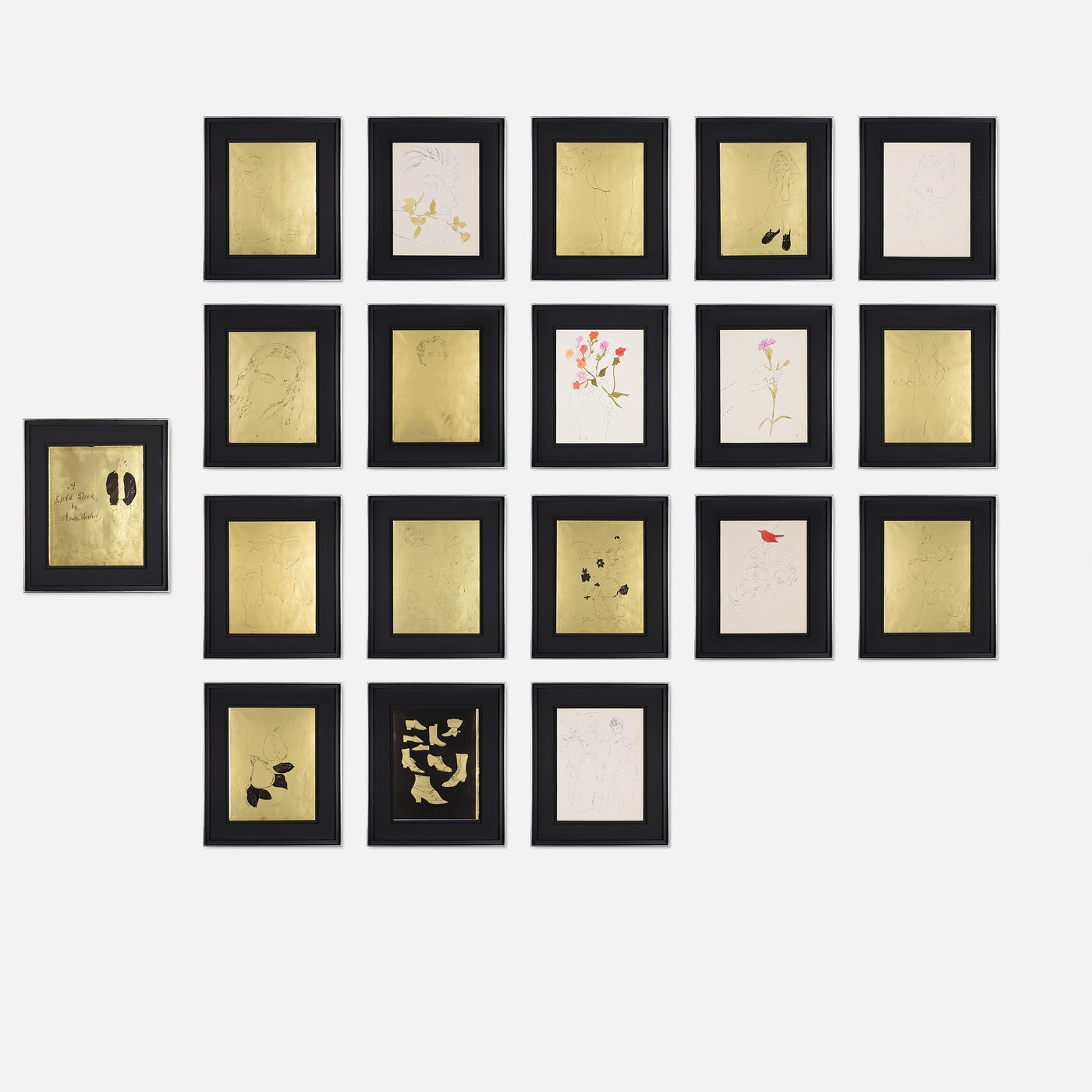
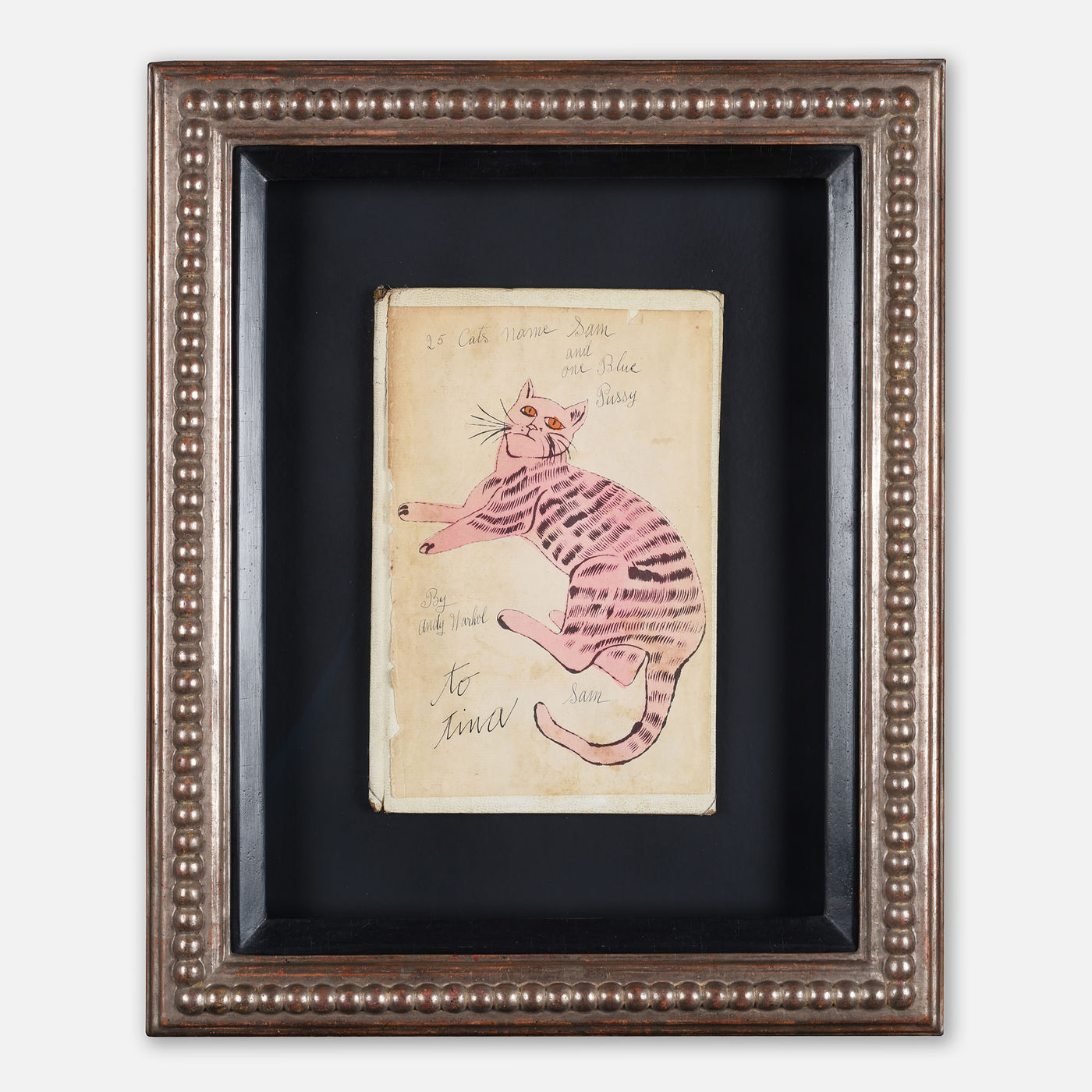
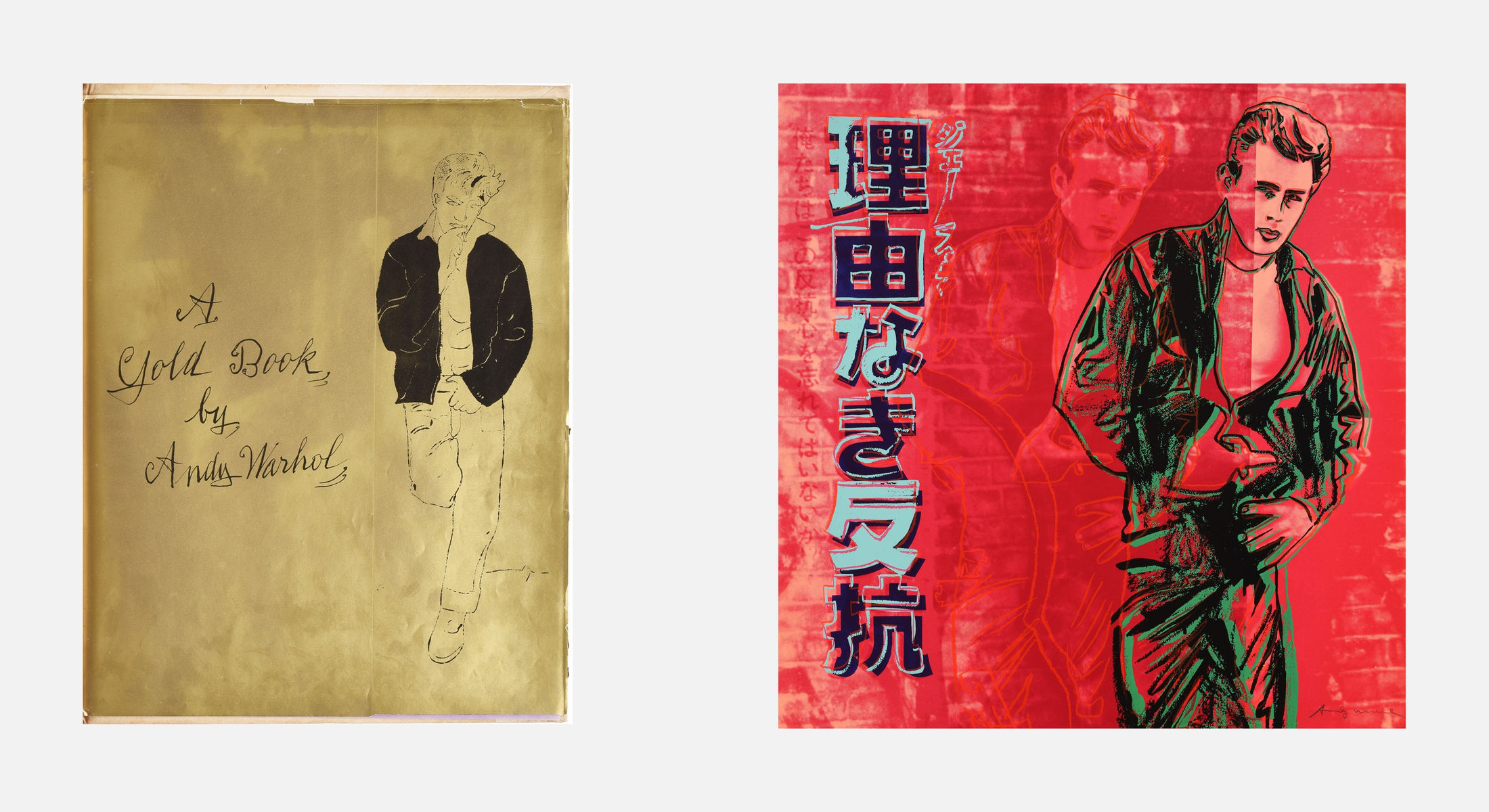
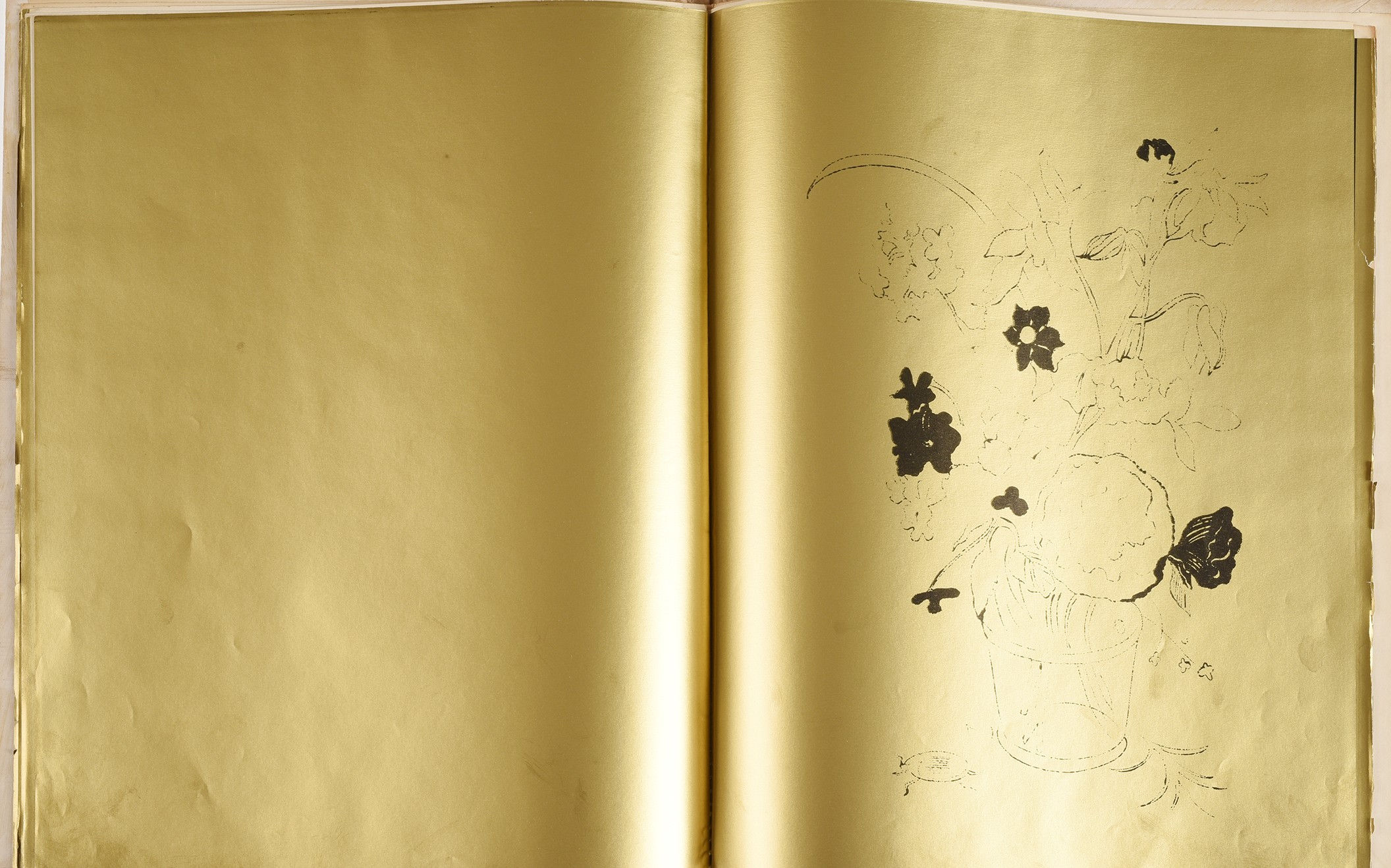
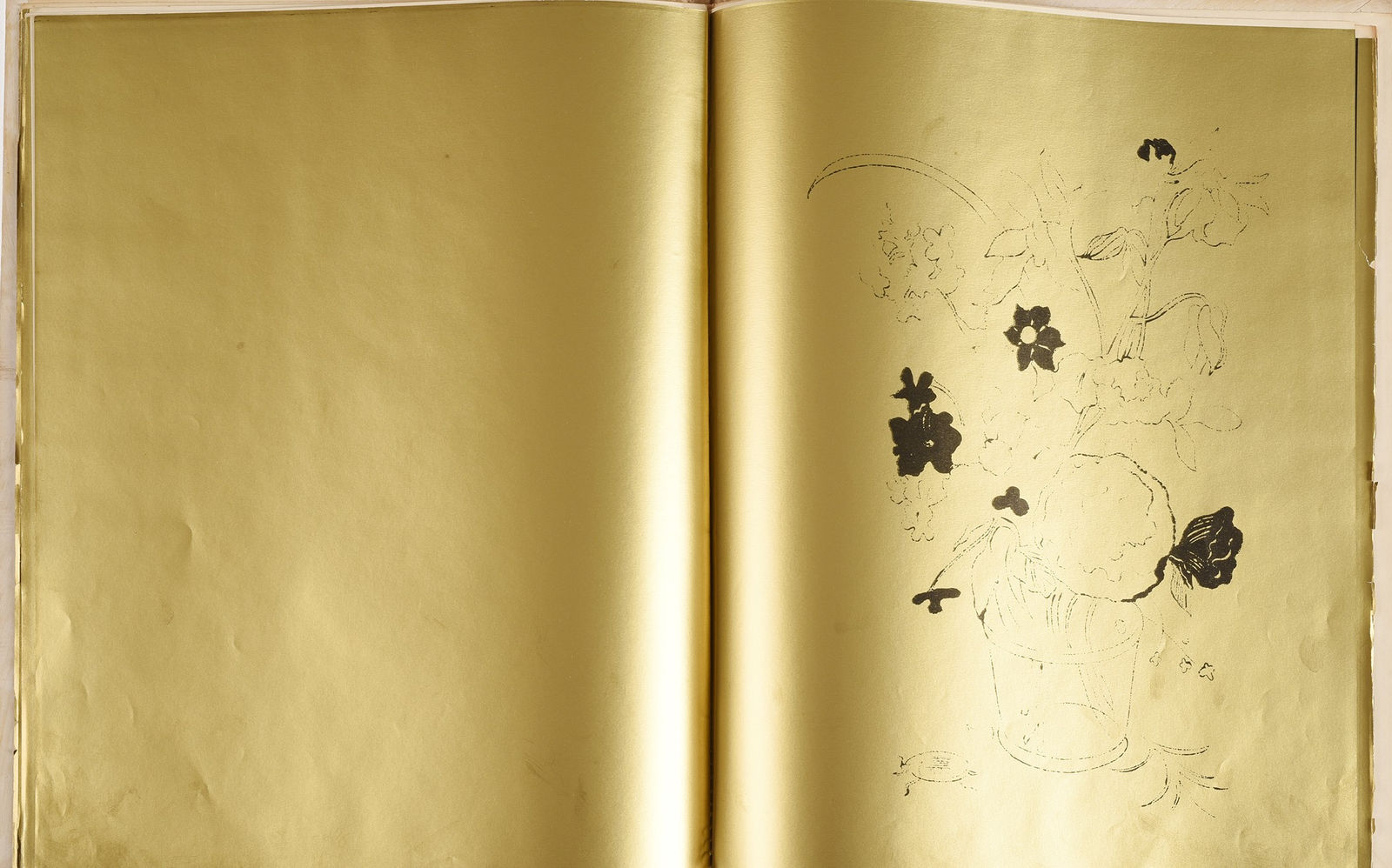
Warhol’s A Gold Book (1957) draws together many of the young artist’s favourite motifs, which he succinctly summarised on the publication’s dedication page as: ‘Boys Filles fruits and flowers Shoes’. The text is in the hand of Warhol’s mother, Julia Warhola. Designed in the manner of a sophisticated colouring book, each edition features 13 drawings on shiny gold paper and six on plain white paper, with differently hued tissue papers distributed delicately between its pages. The choice of materialwas inspired by the golden objects that Warhol and Charles Lisanby (his collaborator and the ‘author’ of 25 Cats Name Sam and One Blue Pussy) saw on their travels in Asia in 1956, especially, according to Lisanby, the gold-leaf furniture lacquered with black designs that they had seen in Bangkok. Several of the blotted-line offset prints on white paper were hand-coloured by Warhol, his assistants and friends.
Most of the drawings in A Gold Book were based on photographs taken by the American photographer Edward Wallowitch, though the artist was also known to search for sources at the New York Public Library. The male figure on the title page is a clear visual reference to James Dean, the American actor who had tragically died at the peak of his career at the age of 24. While the image alludes to the actor’s character in the 1955 movie Rebel without a Cause, the starting point for the work was a photograph by Wallowitch of an unknown model striking a deliberately Dean-esque pose. The actual movie poster for Rebel without a Cause would become Warhol’s source material for Rebel Without a Cause (James Dean) from the 1985 Ads series, signalling the arc of a career defined by the reproduced image.
If you are interested in adding to your collection, speak to one of our art consultants now - email us at info@halcyongallery.com